Topical vs. Oral Pain Relief: Which Makes Sense For You?
Oral pain medications work systemically, traveling through your bloodstream to affect your whole body. Topical analgesics work locally, concentrating relief where you apply them.
Neither approach is universally better; understanding the tradeoffs helps you choose based on your specific situation.
How oral pain medication works
Oral NSAIDs (like ibuprofen) and acetaminophen are absorbed through your digestive system and distributed throughout your body via the bloodstream. This provides broad, systemic relief but means the medication also passes through your stomach, liver and kidneys, carrying systemic side-effect risks with regular or long-term use.
How topical pain relief works
Topical analgesics are absorbed primarily at and near the application site, with much lower systemic absorption than an oral dose. This localizes the effect (and the side-effect risk) to where you actually apply the product.
Where topicals make the most sense
Where oral medication may still be necessary
Deep structural pain, widespread inflammatory conditions, and pain from internal organs generally require a systemic approach that only oral or injected medication can provide. Topicals aren't a substitute in these situations.
Can you combine them?
Many people reasonably use both: an oral medication for broader relief alongside a topical for a specific problem area. If you're on other medications, particularly blood thinners, check with a doctor before adding a new topical, since some ingredients (like salicylate-containing Wintergreen Oil) carry theoretical interaction considerations even at low systemic absorption.
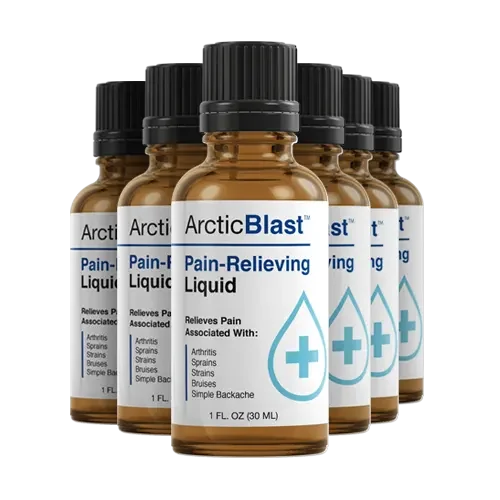
Applying this to ArcticBlast
ArcticBlast is positioned as a topical option for localized, accessible muscle and joint discomfort — the category where topical analgesics generally make the most sense. It's not designed to replace oral medication for widespread or systemic pain conditions.